PRESS & MEDIA / SOUND MEDIA
“Nobody Could Figure Out How These Vocal Parts Were Created”
Sound engineer Oleg Chechik on the influence of artificial intelligence, the evolution of his profession, and the artists who have impressed him.

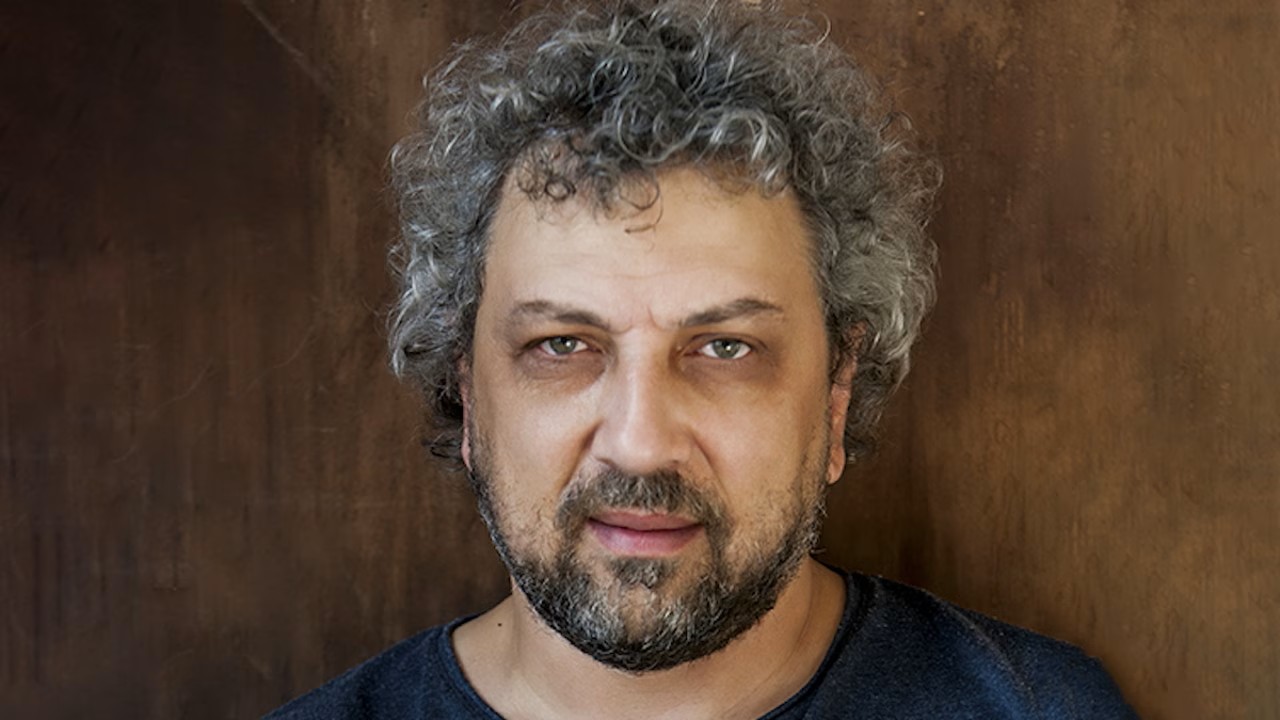
Oleg Chechik is a renowned sound engineer with an extensive portfolio of music and film work, as well as major projects such as Russian musicals «Anna Karenina», «Count Orlov», and «The Count of Monte Cristo». The first sound engineer in Russian history with voting rights at the Grammy Awards shared with Sound Media (rus. Zvuk Media) his thoughts on the development of his profession, the impact of modern technology, and the artists who have impressed him.
What defines a modern sound engineer?
To me, a modern sound engineer in today’s world is a professional who constantly honors their skills in sound engineering, someone who tracks the progress in their field on a daily basis. Our industry is evolving so rapidly that only constant knowledge updates can ensure professional growth. A modern sound engineer is a professional who actively follows new music releases and incorporates the latest software advancements into their work. They stay up-to-date on the latest trends in both the music industry and technology. Furthermore, it's essential to remember that a professional sound engineer should have both musical and, preferably, technical education, ideally in radio engineering.
How do you evaluate the development of sound engineering in recent years?
In my opinion, over the past few years, sound engineering has been advancing faster than ever, actively incorporating new technologies that evolve so quickly that it requires dedicating several hours a day to stay on top of all the latest innovations and achievements in the industry. This applies to both music itself and sound technologies.
How do you keep up with the latest developments?
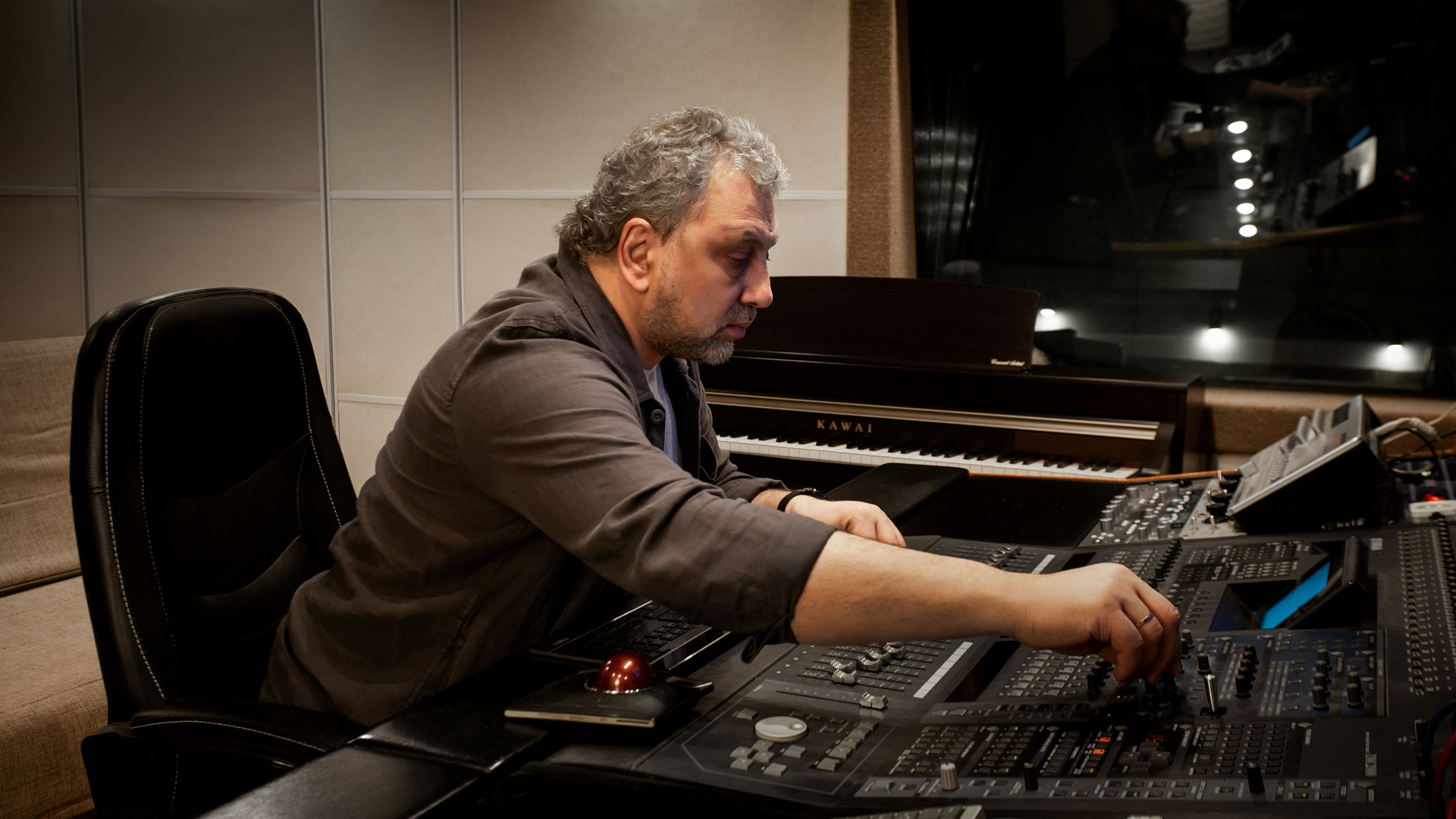
Mostly, I get information from online resources dedicated to sound—articles, blogs, forums, educational materials. I also watch a lot of videos on YouTube, including master classes, tutorials, equipment reviews, and interviews with renowned sound engineers.
It's also important to keep up with new music releases. I prefer to listen to them on streaming platforms, as they allow me to stay current with trends in the music industry and sound engineering. For example, on “Tidal”, I can see all the creators behind albums and singles, including sound engineers, which isn’t possible on other platforms.
Which albums in music history stand out to you in terms of sound engineering? Are there any works that impressed you professionally?
The album that has always been at the top for me is Michael Jackson's “HIStory: Past, Present” and “Future, Book I” (1995). Another one that impressed me with its sound and scale is the album “Love God, Love People” (2010) by American contemporary Christian singer Israel Houghton, recorded at Abbey Road Studios in London. Mezzoforte's “Monkey-Fields” (2005) stood out at the time for its unique sound. Eric Benet’s “A Day In The Life” (1999) remains relevant with its sound to this day.
Which artists impressed you most this year, and who will you vote for at the 2025 Grammys?
This year, I was most impressed by the singles and albums from Jelly Roll, Justin Timberlake, Smash Into Pieces, OneRepublic, and Daughtry. If they are nominated, I would gladly cast my vote for them.
Which collaboration are you most proud of, and why? What creative challenges did you face during this work?
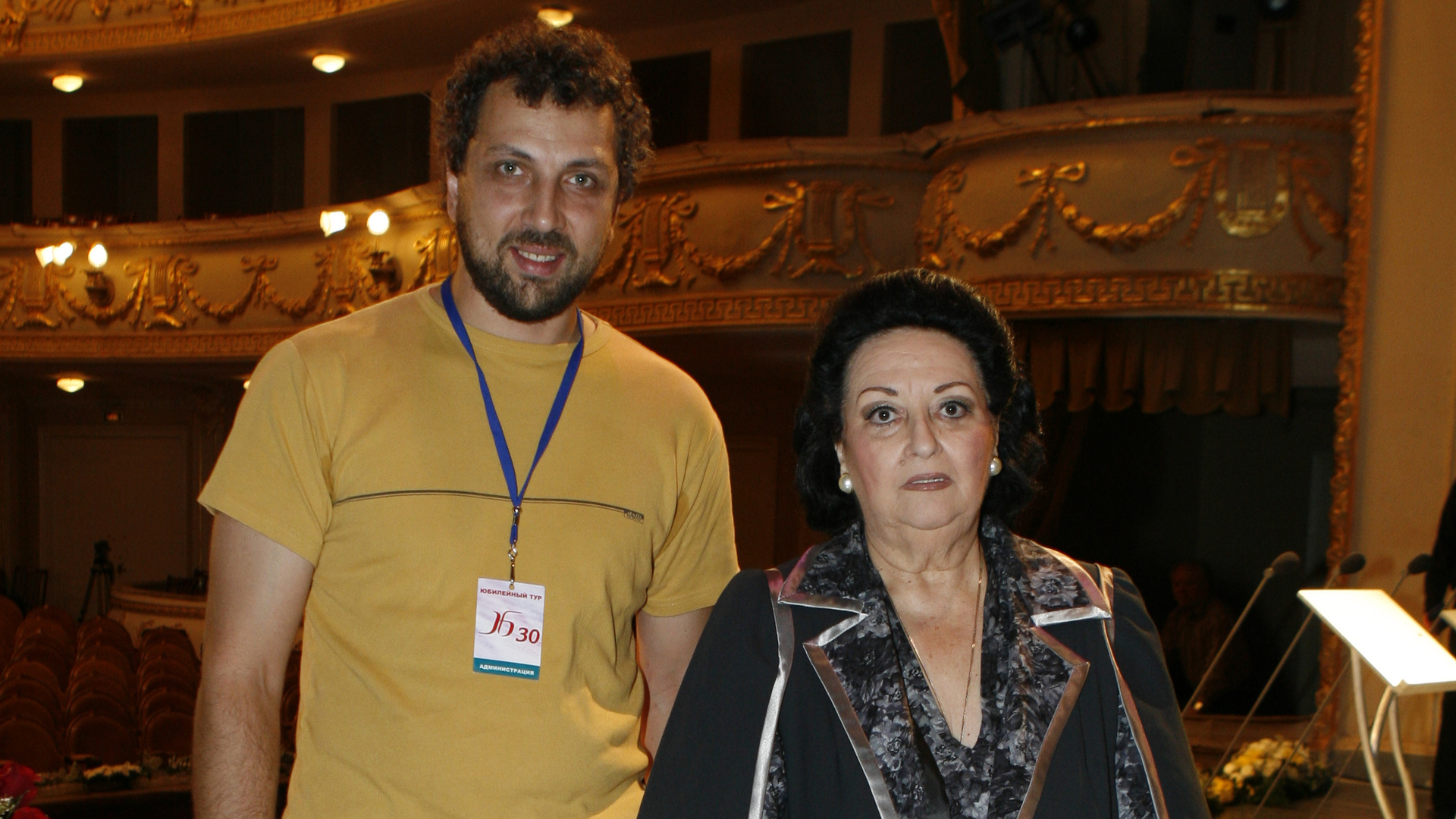
I am most proud of my collaborations with Michel Legrand, Montserrat Caballe, and Djivan Gasparyan. Each of them is great in their own way.
The work with Montserrat Caballe was especially remarkable for me. She is one of the greatest singers who performed in the most famous concert halls in the world. Working with her, during joint concerts with Nikolai Baskov, it was a challenge for me to create a classical sound in venues not intended for symphonic music concerts. One of the most difficult venues was the October Hall in St. Petersburg, with its unacceptable acoustics. On stage, I worked to ensure that every instrument of the symphonic orchestra and the vocalists were heard. Acoustic systems, hidden from view, were used throughout the hall to not only serve the audience but also the performers, creating the right acoustics of familiar halls, such as the La Scala opera house. Later, this work earned me the Showtex Awards 2007 in sound engineering.
What technological advances in sound recording and engineering do you consider the most significant?
One of the major breakthroughs in sound engineering has been the advent of services using artificial intelligence. This includes technologies like creating new sounds that were previously unattainable by any known means. The appearance of new software technologies has brought us closer to the sound of iconic analog equipment. Modern technologies allow us to capture sound impressions from analog devices and later recreate them in digital versions. Many plugin manufacturers have made stunning progress in this area.
Has artificial intelligence impacted your work, and if so, how?
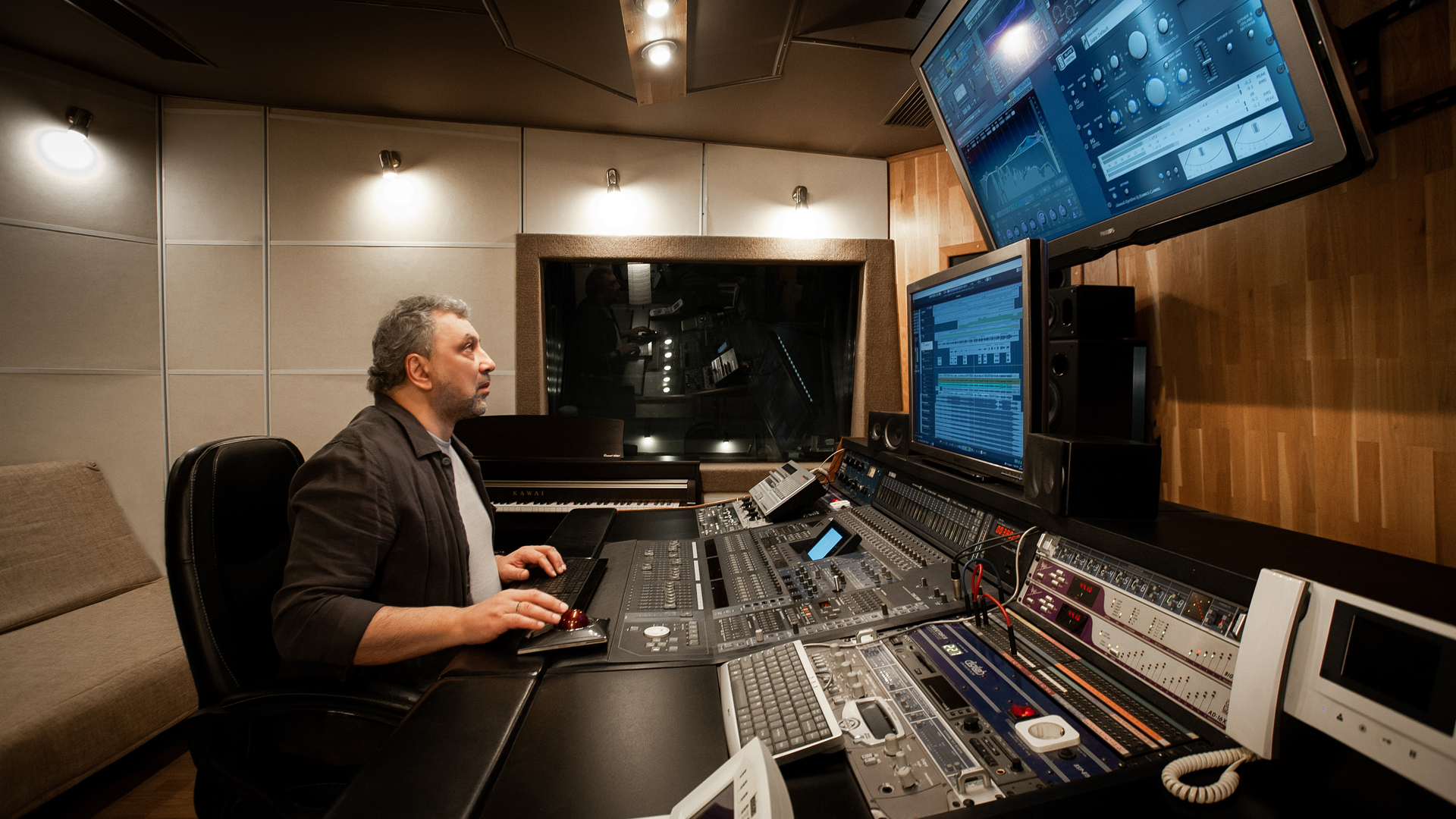
Today, I can integrate into my tracks various elements that mimic the most famous mixing consoles and other analog equipment. This also includes simulating the sound of microphones and spaces. For instance, by using a specific set of "plugins," it’s possible to simulate and replicate orchestral recordings or instrument sounds from famous studios around the world. Currently, even budget studios have access to technology that enables them to replicate the sound of large symphonic orchestras.
Do you have any successful examples of working with AI?
Recently, I conducted an experiment to understand and assess the potential applications of artificial intelligence technologies in my work. I used two musical tracks where the main vocals were performed by live singers. The backing vocals were modeled using artificial intelligence, and the result was so impressive that none of my musician friends could figure out how these vocal parts were created. The quality of the modeling was so good that I doubt any sound engineer could tell if they were recorded by live performers or generated by AI.
So, does this mean AI will soon be able to replace live vocalists?
Not exactly, because every live vocalist has a unique style, rhythm, manner of performance, and characteristic accents. Therefore, AI, based on someone’s vocals, can create a model that is very close to the original live voice. However, when creating a model from scratch, it’s essential to understand that only humans can describe the specifics of vocal performance across different styles, with different singing techniques and styles of singing. Without professional intervention, AI is still not capable of generating a vocal model indistinguishable from a live performance.
What about sound engineers? Will AI be able to completely replace them in the future?
Probably, in the simplest tasks related to television or radio shows where no artistic approach is needed, and there’s monotonous speech over music, AI can handle it. But when it comes to serious musical compositions, that’s when a sound engineer’s professional participation becomes crucial. Experience and individuality are vital in these cases, as only a sound engineer can determine when and which instruments should dominate or play a secondary role. Only an experienced sound engineer can understand how music in a film should affect the audience during a particular scene.
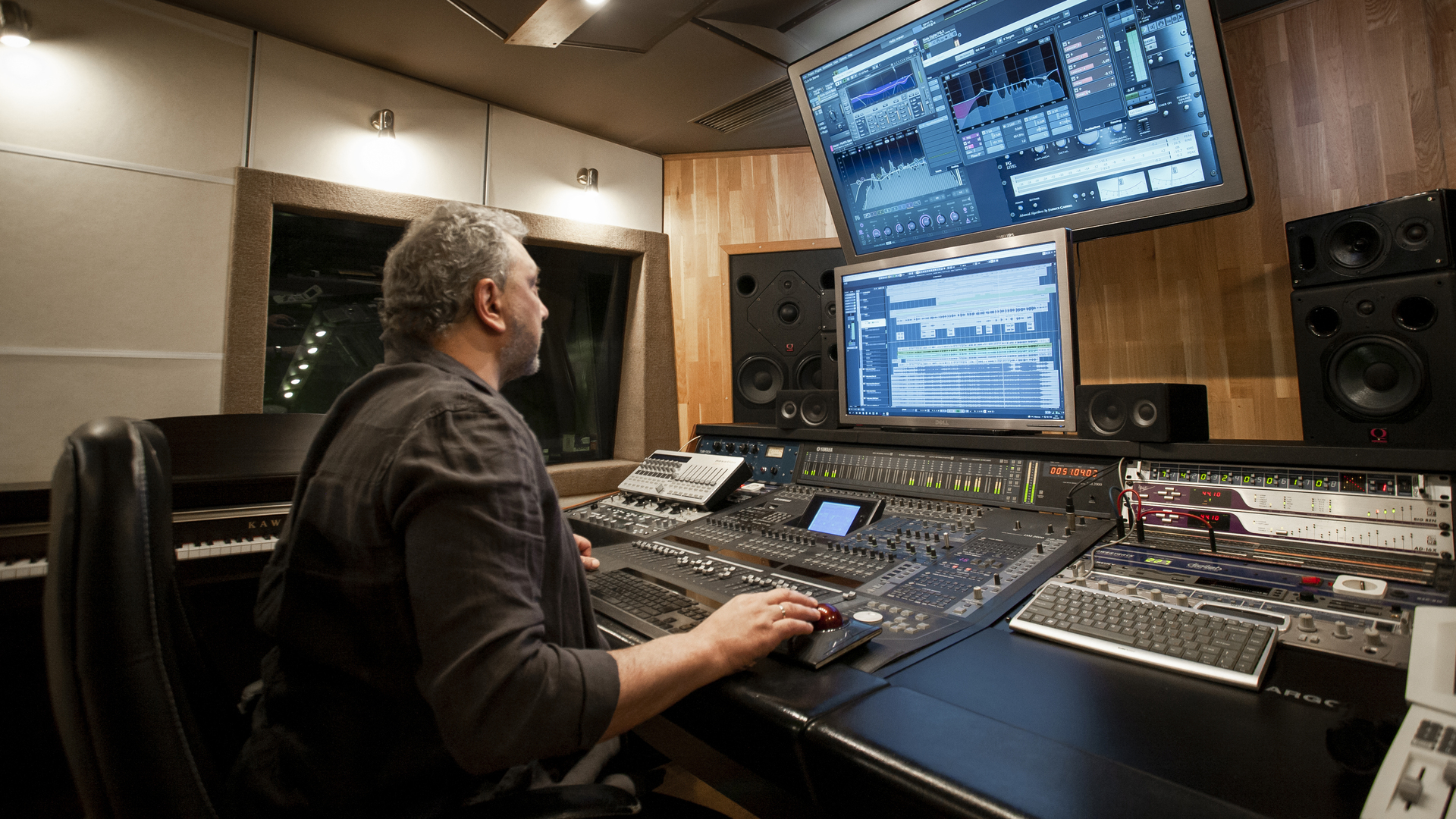
At present, AI can be helpful for beginner sound engineers, especially in aspects like mastering.
Many newcomers lack the experience to finish a track’s mix properly so that it sounds as high-quality as possible and fully conveys the intentions of the music creators.
There are currently at least ten services offering AI-powered mastering, which analyzes the style of music, track saturation, and the presence of different instruments. However, when it comes to the work of a professional sound engineer mixing a large project, no AI is capable of replacing the human touch.
Ultimately, sound engineering remains an authorial and authentic craft, as sound engineers create mixes that not only go beyond recording conventions but also bring their unique sound to music production.
Originally published by Sound Media on July 31, 2024. Authors: Nikolay Dolgin and Sergey Sirazutdinov. The English translation is reproduced as supplied; original embedded playlists are available through the source article.