PRESS & MEDIA / MAXIM · ENGLISH TRANSLATION
Oleg Chechik: Any Art Is Technique Plus Emotions
The first sound engineer from Russia to join the Recording Academy as a GRAMMY voting member talks about his profession and what it takes to help decide who receives the coveted statuette.
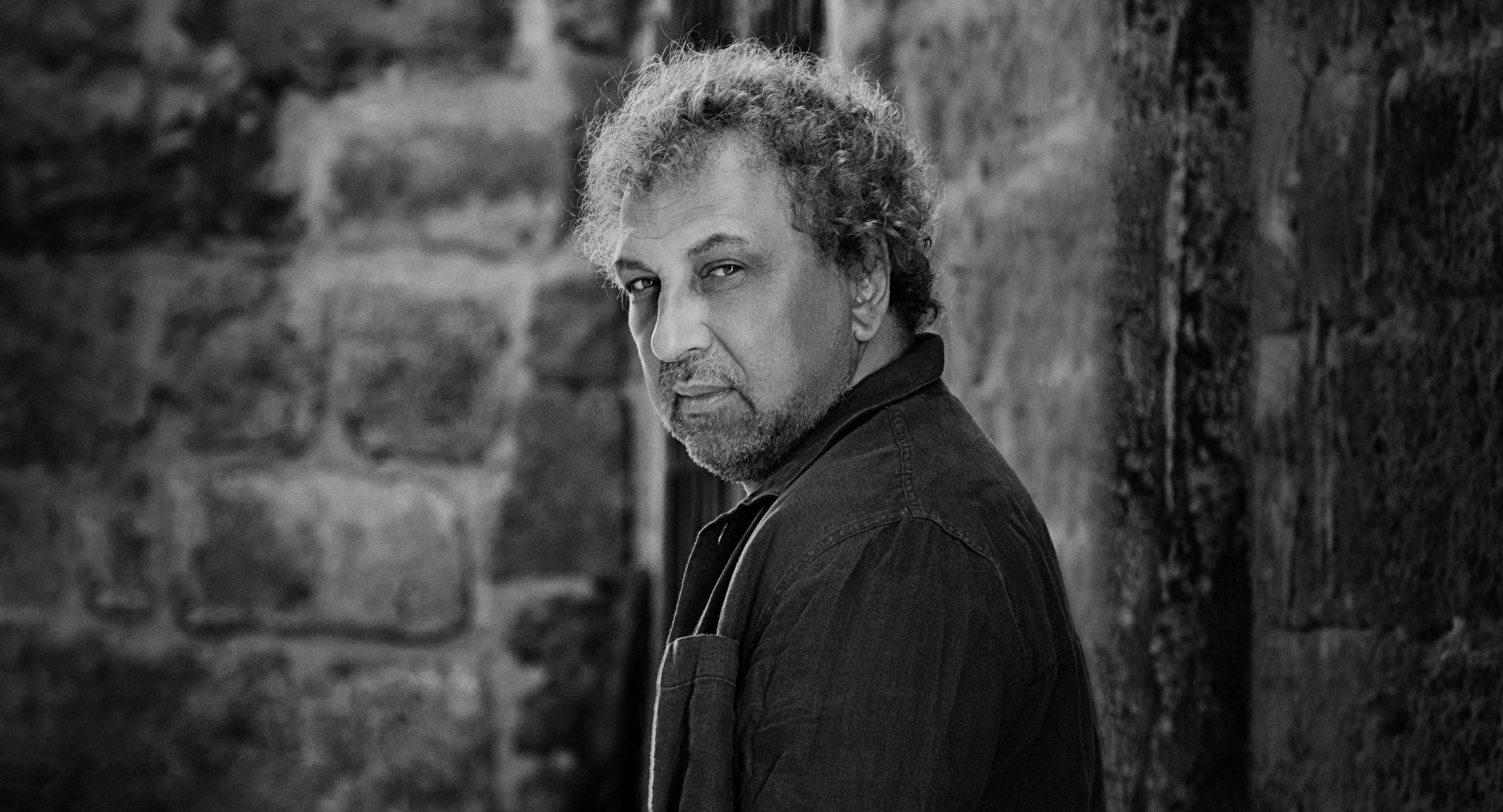
Who is a sound engineer? Musicians play, singers sing. And the sound engineer?
…is responsible for the sound of any piece you hear. First, all the parts are recorded, and then the sound engineer adjusts the volume, tone, and so on. At first glance, it’s a technical job, but it sets the accents and creates the mood. Any art is technique plus emotions. And sound engineering is undoubtedly a creative profession. Like a film director, a sound engineer first divides the material into separate elements, like pieces of a puzzle, and then recreates them as a whole — but a different whole. It’s a process of analysis and synthesis.
A physicist and a lyricist in one person?
Exactly. I studied piano at music school and grew up listening to all the latest trends with my father. Then, when I was around 25, I worked at the Omsk Oil Refinery as an operator of the AVT-10 primary processing unit and sang in a folk choir.
Once, during a tour, we crossed paths with the Omsk band Fifth Dimension. They played very well, but clearly lacked a sound engineer. I offered to help, and afterward I realized that I wanted to change my profession. So I left my previous job, where I was earning a very high salary at the time — eight times more than a newly qualified sound engineer. When my father found out, he didn’t speak to me for six months! He was worried because he didn’t understand what kind of profession it was. That’s how my career as a sound engineer began.
Later, I had the opportunity to work at the Omsk Radio Committee. At first, I simply helped Yuri Shabanov with recordings. He later became my teacher and mentor, and I participated in recordings of symphony orchestras. Once, I also had the chance to work with Alexander Rosenbaum, who was banned at the time, during his tour in Omsk.
After that, I established my own company and manufactured concert sound equipment. The quality of that equipment was such that it was used specifically in the concert hall of the Omsk Philharmonic, where visiting celebrities performed. That’s how I met Igor Talkov and Tamara Gverdtsiteli, who invited me to work with them. I continued my career as a sound engineer at a more professional level.
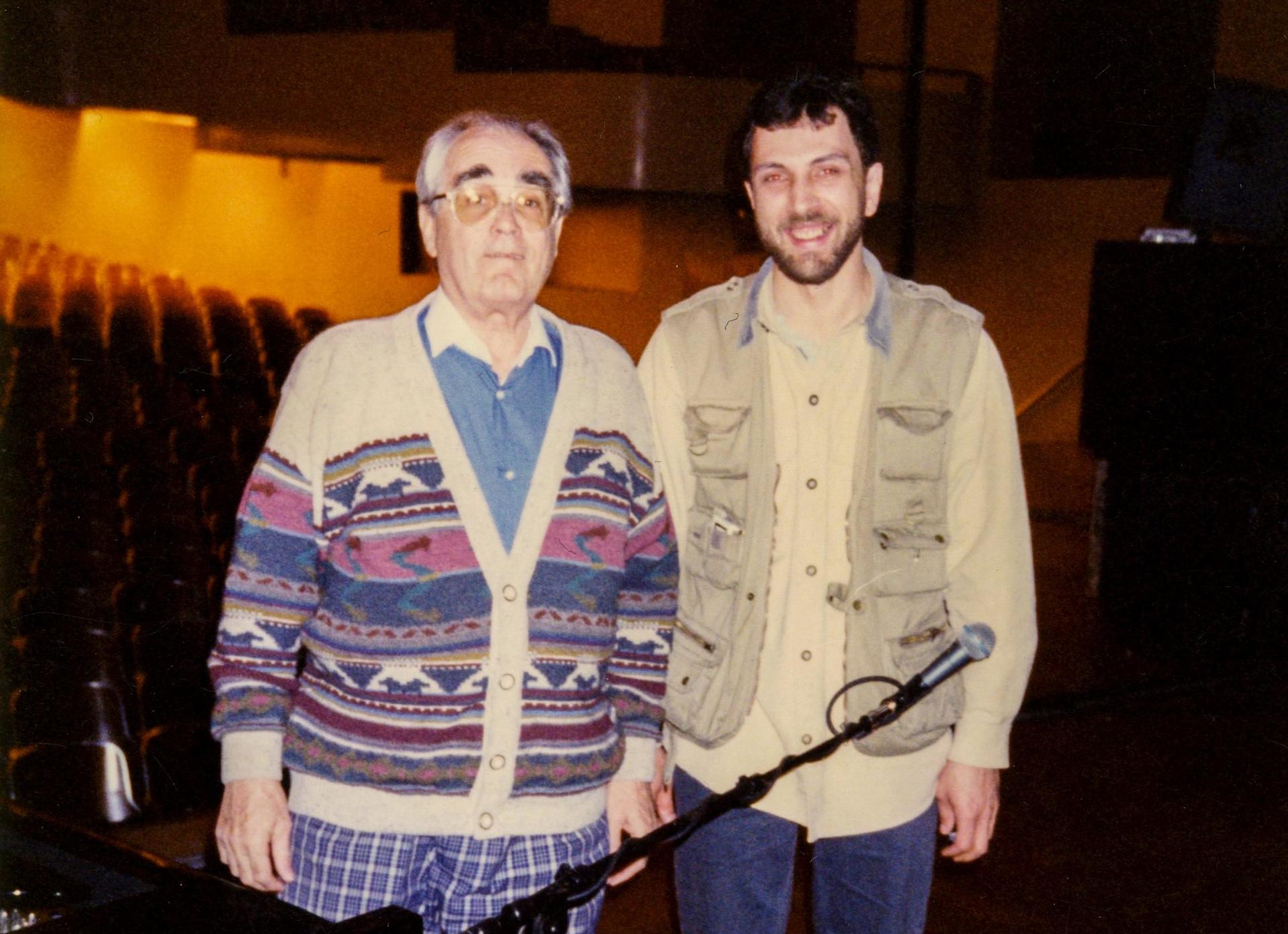
It was during Tamara Gverdtsiteli’s tour in the United States that fate brought me together with Michel Legrand, the greatest composer, in my opinion. That was also when I first found myself at Carnegie Hall, where several interesting things happened.
During the sound check, I was setting up the equipment using one of David Lee Roth’s most famous tracks because I knew exactly how it should sound. At that moment Michel Legrand entered the hall. He approached me and asked, surprised, “Is that the rock music we’re going to play today?” I confidently replied, “It would be great to play rock, but we’ll be playing jazz.” He walked away smiling. Just before the concert, however, he returned with unpleasant news: my American colleague, who was supposed to work alongside me, had been hospitalized with food poisoning. I would be mixing the concert alone.
Since it was also the first concert of the tour, I was uneasy. Standing at the console, my hands were literally trembling. After the second song, I began to relax — but then another unexpected incident occurred. To improve the sound quality, strings fitted with piezoelectric sensors had been stretched along the hammers of both grand pianos. I couldn’t supervise the installation because no one except Carnegie Hall’s technicians was allowed to touch the instruments.
During the third song, one of the piezoelectric strings became detached and fell onto the first octave of Michel Legrand’s piano. Its sound immediately changed, resembling a harpsichord. The maestro didn’t lose his composure and began improvising a solo within that octave. It was jazz played with the sound of a harpsichord! At that moment I deeply regretted not insisting on personally checking how securely the piezoelectric sensors had been attached.
After that challenging international debut, many more experiences followed. I toured the United States, Canada, Europe, Asia, the Middle East, and even Australia.
After such a professional journey, becoming a GRAMMY voting member seems logical. But at the same time, it feels like a miracle.
Until 2022, no sound engineer from Russia had become a voting member of the Recording Academy. So you can imagine my emotions when I received an official letter of invitation from the Academy. For any musician — and especially for a sound engineer — it is an extraordinary degree of recognition in the music world, acknowledging their contribution. The GRAMMY Awards are like the Oscars in the film industry. For me, membership was also a first step toward my dream of one day receiving the prestigious award.
How does the voting process work?
Each voting member has a personal account on the Academy’s website. The voting process consists of two stages. In the first stage, you may need to listen to more than 500 compositions in just one category, with ten categories to choose from and four mandatory ones. Members may vote only in categories where they have professional expertise and experience. The first round produces a list of nominees in each category. The second round is the final vote, which determines the GRAMMY winners.
Were this year’s winners your favorites? Do you agree with the results?
This year, my main favorites were American singer and rapper Lizzo and British metal band Architects. I was thrilled when Lizzo won Record of the Year. Her album Special sounds incredible! Some tracks incorporate sonic ideas from the mid-1980s and even the late 1970s, yet sound unique and contemporary.
Unfortunately, Architects did not advance beyond the first round in any category, despite their album For Those That Wish to Exist at Abbey Road making a lasting impression on me. It combines heavy metal with a symphony orchestra. I must have listened to it more than fifty times — in the studio and on different devices. I even made my own mastering version of the album. I was disappointed that they didn’t make the final round.
Harry Styles won Album of the Year and Best Pop Vocal Album that year. However, I believe there were more interesting albums and artists in those categories.
When can we expect to see Oleg Chechik’s name among the award winners? What are you doing to achieve that?
Every day I strive to learn new technologies and understand new trends. I continually refine my work on music tracks, drawing on the knowledge and experience I’ve gained throughout my career.
For a recording to be nominated for a GRAMMY, many factors must come together: the composition, performer, arrangement, and mixing. They all have to form a brilliant whole that captures listeners’ hearts and the attention of Recording Academy voters. This happens when people express their emotions through music genuinely and honestly. Often, those musicians collaborate with other accomplished professionals and create hits. Only time will tell when all those ingredients of success will align and I’ll be fortunate enough to join such a remarkable team.
Originally published in Russian in MAXIM on June 6, 2023. English translation of the original Russian-language interview. Interview by Nina Anisimova.